
- By Admin
- Abdomen Procedures
- October 15, 2026
Can Liposuction Remove Stubborn Belly Fat Permanently?
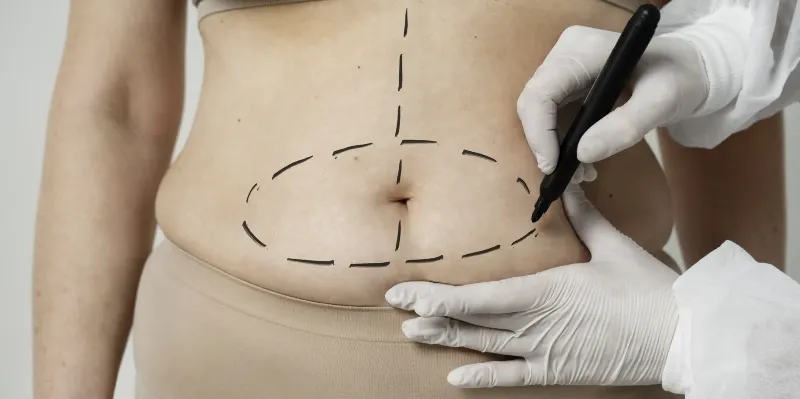
That stubborn belly pouch that refuses to budge, no matter how many crunches you do or how strictly you follow a diet, is one of the most common frustration points among cosmetic patients.
As a board-certified cosmetic surgeon, one of the most frequent questions I hear in consultation is: “If I get liposuction, is that belly fat gone forever?”
The short answer is yes—and no.
While the surgical removal of target fat cells is permanent, the longevity of your new silhouette depends heavily on what happens after you leave the operating room. Let’s dive into the science behind liposuction, what it can and cannot achieve, and how to maintain a flatter, more sculpted midsection for life.
1. The Science: Why Liposuction Results Are Permanent
To understand how liposuction works, it helps to understand how human body fat behaves.
After puberty, adults have a relatively stable number of fat cells (adipocytes). When you gain weight, your body doesn't typically create new fat cells; instead, your existing fat cells expand like tiny balloons. When you lose weight through diet and exercise, those same cells simply shrink.
Liposuction changes this equation entirely:
- During the procedure, a cosmetic surgeon physically suctions out and removes targeted fat cells from the abdominal region.
- Once removed, those specific fat cells do not regenerate or grow back.
- The structural architecture of fat storage in your lower or upper abdomen is permanently altered.
From a technical standpoint, the reduction of fat cells in the treated area is 100% permanent.
2. Subcutaneous Fat vs. Visceral Fat: What Can Lipo Actually Treat?
Not all belly fat is created equal. This is a vital distinction every patient must understand before considering surgery:
| Fat Type | Location | Can Lipo Remove It? |
|---|---|---|
| Subcutaneous Fat | "Pinchable" fat lying directly beneath the skin and above the abdominal wall. | YES (Target Area) |
| Visceral Fat | Deep fat surrounding internal organs beneath the abdominal muscle. | NO (Unsafe / Ineffective) |
Surgeon's Insight: If your midsection feels firm and rounded (a 'potbelly'), that is primarily internal visceral fat. Visceral fat can only be reduced through balanced nutrition, exercise, and metabolic health management. Liposuction is strictly designed for soft, superficial, pinchable pockets of subcutaneous fat.
3. What Happens If You Gain Weight After Liposuction?
While the removed fat cells are gone for good, liposuction does not remove 100% of the fat cells in your abdomen (and it shouldn't—a thin layer of subcutaneous fat is necessary to keep skin looking smooth and natural).
If you gain a significant amount of weight post-surgery:
- Remaining cells expand: The remaining fat cells in your belly can still enlarge.
- Fat redistribution: Because your abdomen now has fewer fat cells than untreated areas (like your arms, back, or thighs), new weight gain may store disproportionately in untreated parts of your body.
Key Takeaway: Liposuction permanently alters your proportions, but it does not make you immune to weight gain.
4. Liposuction vs. Tummy Tuck: Which One Do You Need?
A common misconception is that liposuction can solve all midsection concerns. However, removing fat is only half the battle if your skin lacks elasticity.
Choose Liposuction if: You have good skin tone/elasticity and isolated pockets of stubborn fat. Your skin will snap back smoothly over the slimmer contour.
Choose a Tummy Tuck (Abdominoplasty) if: You have loose, sagging skin or separated abdominal muscles (diastasis recti, often post-pregnancy or significant weight loss). Liposuction alone on loose skin can leave behind a wrinkled or sagging appearance.
5. 4 Keys to Maintaining Your Results for a Lifetime
Think of liposuction as a collaborative effort: your surgeon provides a powerful structural head start, and your daily habits protect that investment.
- Maintain a Stable Weight: Minor fluctuations (3–5 lbs) won't destroy your contour, but significant weight gains will distort your surgical outcome.
- Follow Post-Op Care Diligently: Wearing your compression garment as directed reduces swelling, minimizes fluid buildup (seromas), and ensures smooth skin retraction.
- Prioritize Muscle Tone: Core-strengthening exercises enhance the visual definition of a newly sculpted abdomen.
- Stay Hydrated & Eat Clean: A diet rich in whole foods, clean protein, and low in processed sodium supports low inflammation and healthy skin elasticity.
Ready to Take the Next Step?
Are you considering abdominal liposuction or curious whether you're a candidate for body contouring?
Schedule an in-person consultation with our expert surgical team today to discuss a customized treatment plan tailored to your body goals.
