
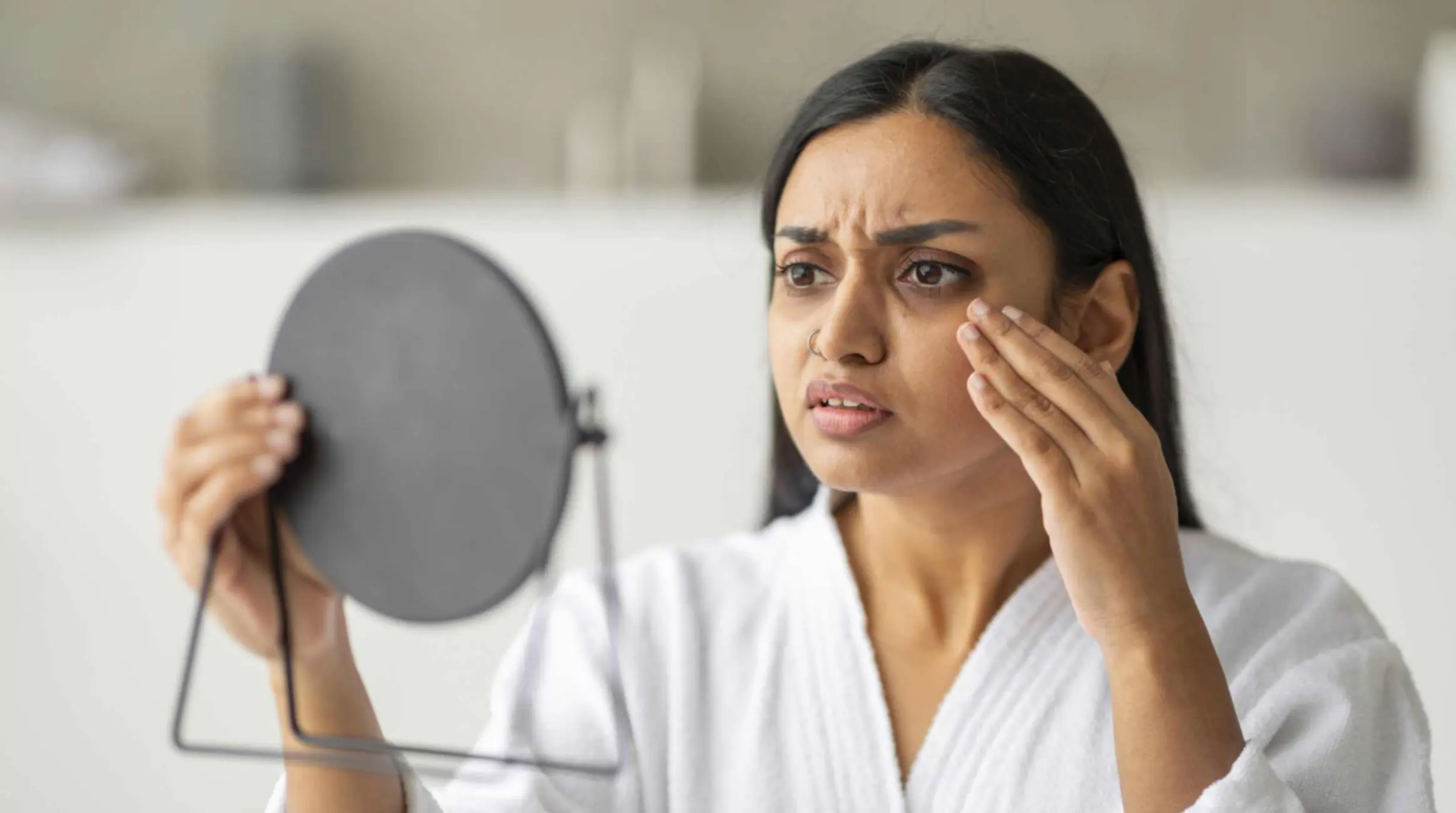
- By Admin
- Dark Circle Treatment
- March 17, 2026
Dark Circle Treatment Options: What Works Best?
Understanding causes and effective treatments for under-eye dark circles
Introduction
Dark circles under the eyes are one of the most common aesthetic concerns seen in dermatology and plastic surgery clinics. They can make a person look tired, stressed, or older than they actually are. Many people try home remedies and eye creams, but often these provide only limited improvement.
The key to effectively treating dark circles is understanding why they occur, because different causes require different treatments.
Why Do Dark Circles Occur?
Dark circles are not caused by a single factor. In most people, they develop due to a combination of the following:
Pigmentation
Excess melanin around the eyes can cause brownish discoloration. This is common in people with darker skin tones and may be influenced by genetics, sun exposure, or rubbing the eyes.
Thin Skin
The skin under the eyes is extremely thin. When the skin becomes thinner with age, underlying blood vessels become more visible, creating a bluish or purplish appearance.
Tear Trough Hollowing
Loss of fat and collagen under the eyes can create a hollow area called the tear trough. This hollow creates shadows, making the under-eye area appear darker.
Lifestyle Factors
Lack of sleep, stress, dehydration, excessive screen time, allergies, and sinus congestion can worsen dark circles.
Medical-Grade Eye Creams
For mild dark circles, dermatologists often recommend medical-grade eye creams containing active ingredients.
Common ingredients include:
- Retinol - stimulates collagen production and thickens the skin
- Vitamin C - brightens pigmentation and improves skin tone
- Caffeine - reduces puffiness and improves circulation
- Hyaluronic acid - hydrates and plumps the under-eye skin
Eye creams are helpful for early dark circles and maintenance but may not be enough for deeper causes.
Chemical Peels
Chemical peels can help treat pigmented dark circles by gently exfoliating the skin and stimulating new cell growth.
Common peels used around the eyes include:
- Glycolic acid peels
- Lactic acid peels
- Mild TCA peels
Benefits include reduction of pigmentation, brighter skin, and improved texture. Multiple sessions are usually required.
Laser Treatments
Laser treatments can effectively target pigmentation and improve skin quality around the eyes.
Lasers help by:
- Breaking down excess pigmentation
- Stimulating collagen production
- Improving skin thickness and texture
These treatments are useful for pigmented and mixed-type dark circles.
PRP (Platelet Rich Plasma)
PRP is a regenerative treatment that uses the patient's own blood plasma to rejuvenate the under-eye skin.
After processing the blood, platelet-rich plasma is injected into the under-eye area.
Benefits include improved skin thickness, reduction in fine lines, brighter under-eye appearance, and natural collagen stimulation. Typically 3-4 sessions are required.
Tear Trough Fillers
When dark circles are caused by hollowing or volume loss, fillers can provide one of the most dramatic improvements.
Hyaluronic acid fillers are injected into the tear trough to restore lost volume and reduce shadowing.
Benefits include immediate improvement, natural-looking results, and minimal downtime. Results typically last 9-18 months.
Lifestyle Changes That Help
Healthy lifestyle habits can also help reduce dark circles.
Helpful habits include:
- Getting 7-8 hours of sleep
- Staying well hydrated
- Using sunscreen around the eyes
- Avoiding excessive rubbing of the eyes
- Managing allergies and sinus issues
- Limiting excessive screen time
Conclusion
Dark circles are a multifactorial condition, meaning they often require a combination of treatments rather than a single solution. With modern aesthetic procedures such as fillers, PRP, lasers, and medical-grade skincare, significant improvement is possible.
Consulting an experienced dermatologist or plastic surgeon can help determine the most appropriate treatment plan for your specific concerns.
