
- By Dr. Abiramie Chellamuthu
- Hair Restoration
- November 17, 2026
PRP Hair Treatment Sessions: How Many Are Needed?
Hair thinning, excessive hair fall and reduced hair density are common concerns among both men and women. Platelet-Rich Plasma (PRP) therapy is a popular non-surgical treatment that uses the patient's own blood components to support hair growth and improve hair density.
One of the most common questions patients ask is: How many PRP sessions are required for hair growth?
The number of sessions depends on the extent of hair loss, the underlying cause, individual response to treatment and the treatment protocol followed. Let's understand how PRP hair treatment works, how many sessions are needed and when you can expect results.
What Is PRP Hair Treatment?
Platelet-Rich Plasma (PRP) therapy is a regenerative treatment that uses concentrated platelets obtained from the patient's own blood.
A small amount of blood is collected and processed using a centrifugation technique to separate platelet-rich plasma. This plasma contains growth factors that may support hair follicle activity and improve the scalp environment.
The prepared PRP is injected into selected areas of the scalp experiencing hair thinning. PRP is commonly used as a supportive treatment for androgenetic alopecia (pattern hair loss) in both men and women.
How Many PRP Sessions Are Needed for Hair Growth?
Most treatment protocols recommend an initial course of 3–4 PRP sessions, usually spaced approximately 4–6 weeks apart. However, the exact number of sessions varies depending on the patient's hair loss pattern and response to treatment.
| Treatment Stage | Typical Schedule |
|---|---|
| Initial treatment | 3–4 sessions |
| Interval between sessions | Every 4–6 weeks |
| Maintenance treatment | Every 3–6 months, depending on response |
Some patients may require additional sessions based on clinical assessment. PRP is not a one-time treatment. Regular sessions may be needed to maintain the improvement achieved.
PRP Hair Treatment: What Happens During Each Stage?
1. First PRP Session
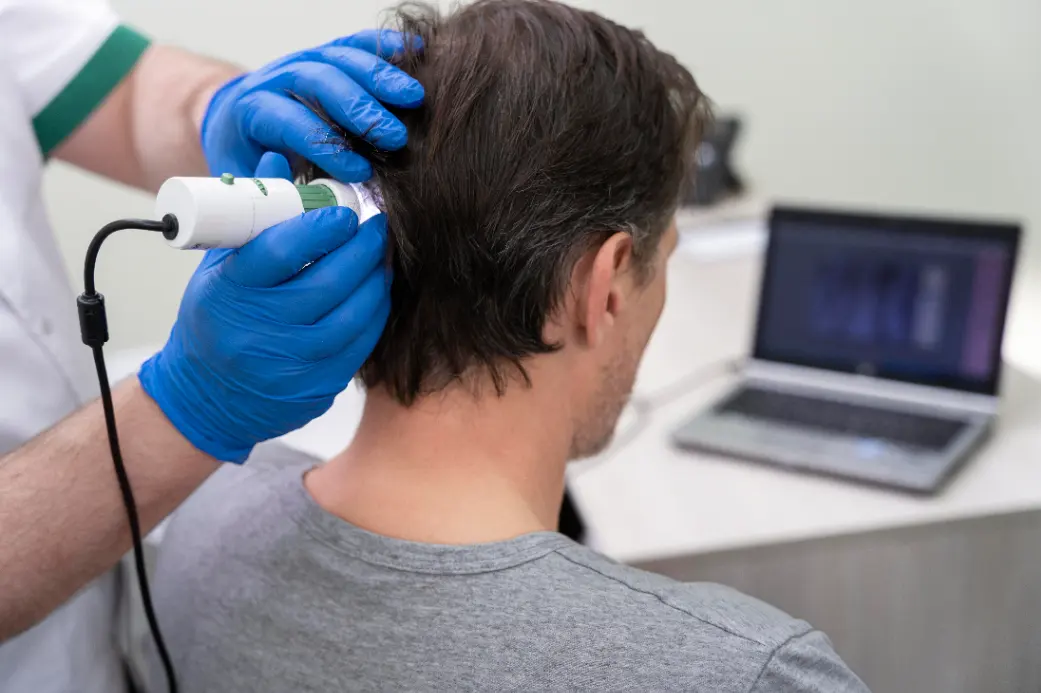
The first session involves scalp assessment, blood collection and preparation of platelet-rich plasma. The prepared PRP is injected into the targeted scalp areas. The procedure usually takes around 30–60 minutes, depending on the treatment area and protocol.
2. Second and Third Sessions
During subsequent sessions, the treatment is repeated to provide continued stimulation to the targeted hair follicles. Some patients may begin noticing reduced hair shedding, although visible changes in hair density generally take longer.
3. Fourth Session
By the fourth session, some patients may begin noticing improvement in hair thickness, hair quality and overall density. The response varies from person to person, and not everyone experiences the same degree of improvement.
4. Maintenance Sessions
After completing the initial treatment course, maintenance sessions may be recommended every 3–6 months, depending on the patient's response and ongoing hair loss. Maintenance is particularly important for patients with progressive pattern hair loss.
When Can You See Results After PRP Hair Treatment?
PRP works gradually, and results are not immediate.
- First month: Some patients may notice reduced hair shedding.
- 2–3 months: Early improvement in hair quality or thickness may become noticeable.
- 3–6 months: Improvement in hair density may become more apparent.
- 6–12 months: Further changes may be observed with continued treatment and appropriate maintenance.
Results depend on the underlying cause of hair loss, severity, follicle health and individual response.
Who Can Benefit from PRP Hair Treatment?
PRP may be beneficial for individuals experiencing:
- Early-stage male pattern baldness.
- Female pattern hair thinning.
- Reduced hair density.
- Increased hair shedding associated with certain types of hair loss.
- Hair thinning following appropriate medical evaluation.
PRP tends to be more useful when hair follicles are still present and capable of responding to treatment. It is generally less effective in areas with long-standing, completely bald scalp where follicles are no longer functional.
What Are the Benefits of PRP Hair Treatment?
- Uses the patient's own blood-derived plasma.
- Minimally invasive, non-surgical procedure.
- May improve hair thickness and density in suitable patients.
- May reduce hair shedding in some individuals.
- Minimal downtime.
- Can be used alongside other evidence-based hair loss treatments when appropriate.
Is PRP Hair Treatment Painful?
PRP is generally well tolerated. Patients may experience mild discomfort during scalp injections. Temporary redness, tenderness or mild swelling may occur after the procedure. Most patients can return to their routine activities on the same day, depending on their comfort and the treating doctor's advice.
Can PRP Be Combined with Other Hair Treatments?
Yes. PRP can be considered as part of a comprehensive hair restoration plan. Depending on the cause and severity of hair loss, it may be combined with:
- Medical treatments such as topical minoxidil.
- Appropriate oral medications, where indicated.
- Microneedling in selected patients.
- Hair transplantation as an adjunct in suitable cases.
The treatment plan should be individualised following assessment by a qualified doctor.
Frequently Asked Questions (FAQs)
Most protocols recommend 3–4 initial sessions at intervals of 4–6 weeks. The number may vary depending on hair loss severity and individual response.
One session may not provide optimal results. PRP generally requires multiple sessions to achieve and maintain improvement.
Results vary. Since hair loss conditions such as androgenetic alopecia are progressive, maintenance sessions may be required every 3–6 months or as advised by your doctor.
PRP is unlikely to produce significant hair growth in areas where follicles are no longer functional. Hair transplantation may be a more suitable option for selected patients with established baldness.
PRP and hair transplantation serve different purposes. PRP aims to improve the condition of existing hair follicles, whereas hair transplantation involves relocating hair follicles from the donor area to areas of hair loss.
Yes. Women experiencing suitable types of hair thinning, particularly female pattern hair loss, may benefit from PRP following proper evaluation.
No. PRP does not permanently cure hair loss. Maintenance treatment and management of the underlying cause may be necessary.
Conclusion
PRP hair treatment is a minimally invasive option for individuals experiencing early hair thinning and certain types of hair loss. Most patients require an initial course of 3–4 sessions, spaced 4–6 weeks apart, followed by maintenance sessions depending on their response.
The key to successful treatment is identifying the cause of hair loss, selecting suitable candidates and following an individualised treatment plan.
Looking for PRP Hair Treatment in Chennai?
At Yaazh’s Aesthetics, Chennai, we focus on personalised hair restoration treatments following proper scalp and hair assessment.
Consult a qualified plastic surgeon to understand whether PRP therapy is suitable for your hair concerns and to determine the appropriate number of sessions for your needs.
Consult Dr C Abiramie
Plastic Surgeon – MS., MCh.
Yaazh’s Aesthetics, Porur, Chennai.
